Magnesium is an important part of cellular energy production. There’s no functional metabolism without magnesium. Even though we can find it in everyday food, doctors often recommend taking extra doses of magnesium in supplements.
How to know I need a magnesium supplement, you may wonder. If you train a lot and suffer from cramps, never-ending muscle soreness, constipation, or have trouble calming yourself down and feel stressed all the time, especially when it’s time to sleep, your body probably lacks magnesium.
Read more about magnesium, its benefits, and see the 10 best magnesium supplements on the market at the moment.
Nutricost Magnesium Citrate Powder – best magnesium supplement for muscles
Nutricost Magnesium Citrate Powder is a popular choice among people who train regularly and deal with muscle cramps, stiffness, or slow recovery. Magnesium citrate is well known for its fast absorption, making it suitable before or after workouts.
The powder form allows easy dose adjustment and can be mixed with water or a post-workout drink, which makes it practical for athletes and physically active individuals.
If you constantly feel soreness and pain, maybe you’re not working out correctly. Try lifting with lighter weights or find a professional personal trainer who can create the appropriate workout splits for you and guide you through the exercises.
THORNE Magnesium Bisglycinate – best magnesium for sleep
Lack of magnesium can often lead to poor sleep. THORNE Magnesium Bisglycinate is often recommended as a magnesium supplement that comes in a highly absorbable form, bisglycinate. This magnesium helps our body to relax and is known for its beneficial effects on sleep.
It comes in the form of powder and has enough for 60 servings. Simply mix it with water and take 30-60 minutes before going to bed for the best results.
Ritual Magnesium – best magnesium for pain
Ritual Magnesium is designed for everyday use, especially for people dealing with recurring muscle tension, headaches, or general body pain. It contains magnesium in a bioavailable form and focuses on clean ingredients without unnecessary additives.
This supplement is often chosen by those who want long-term magnesium support rather than quick fixes, making it suitable for people with active or stressful lifestyles.
Pure Encapsulations Magnesium (Glycinate) – best magnesium supplement for women
Pure Encapsulations Magnesium Glycinate is a frequently recommended supplement for women due to its gentle formula and good absorption. Magnesium glycinate is known to support hormone balance, reduce fatigue, and help with stress management. It is also suitable for women with sensitive digestion, as this form of magnesium is less likely to cause stomach discomfort.
Double Wood Supplements Magnesium Citrate – best magnesium for constipation
Magnesium citrate is commonly used to support digestion, and Double Wood Supplements Magnesium Citrate is no exception. This supplement helps stimulate bowel movements and is often used by people dealing with occasional constipation. It has 180 capsules in a pack.
Besides digestive support, it also contributes to muscle and nerve function.
Radiant Platinum Magnesium – magnesium for stress relief
Radiant Platinum Magnesium 400mg is often a first recommendation for people experiencing mental fatigue, nervous tension, or high stress levels. Magnesium may help the body cope better with daily stress, and this product is really easy to use every day; it comes with 90 tablets in a pack.
Take it during periods of increased workload or emotional strain.
Sunshine Nutrition Magnesium + Vitamin B6 Effervescent – best magnesium supplement for bones
This effervescent magnesium supplement combines magnesium with vitamin B6, which supports bone health and normal muscle function. The fizzy tablet form makes it easy to consume, especially for people who don’t like capsules. It has 100 of them in a bottle, and it’s recommended to take 1 per day with a meal.
It can be a good option for individuals with increased bone and joint needs, including those who are physically active or entering older age.
Sunshine Nutrition has other excellent supplements, such as those with collagen, for healthier skin.
Doctor’s Best High Absorption Magnesium – high absorption
Doctor’s Best High Absorption Magnesium uses chelated magnesium forms designed for improved bioavailability. This makes it suitable for people who have trouble absorbing minerals or need consistent magnesium intake.
It supports muscle function, nerve health, and energy metabolism, making it a versatile supplement for everyday use.
Bronson High Absorption Magnesium Glycinate – vegetarian capsules for nerves
Magnesium glycinate is often associated with nervous system support, and Bronson’s vegan formula is suitable for people on plant-based diets. It is commonly used to support focus, calmness, and reduced nervous tension. It comes in a pack of 60 capsules.
Holland & Barrett Magnesium Citrate – for muscle and fatigue
If you’re looking for the best supplements for chronic fatigue , maybe it’s time to try this magnesium.
Holland & Barrett Magnesium Citrate 300 mg is widely used by people dealing with chronic fatigue, muscle weakness, or low energy levels. Magnesium citrate supports normal muscle function and energy production at the cellular level. This product comes in a practical bottle containing 90 tablets. You can take up to 3 per day, ideally with a meal.
If you’re looking for supplements that can help fight long-lasting tiredness, this magnesium option may be worth considering.
How much magnesium do I need?
For children and adolescents who are still growing and developing, the recommended dose is up to 410 mg for boys and 360 mg for girls. After that, the dose is slightly reduced, and in adulthood, it is recommended up to 400 mg for men, and up to 310 mg for women. As we age, the needs increase, and after fifty, men should consume 420 mg of magnesium, and women 320 mg.
Do I need magnesium if I drink protein powder?
Yes, one does not exclude the other. While proteins are important for building muscles, magnesium supplements help with maintaining them healthy and, besides that, have dozens of other benefits for the entire organism. If you’re not a fan of taking too many supplements, try adding magnesium to your protein shake, or drink a shake in the morning, and take magnesium supplements in the evening.
What types of magnesium supplements exist?
There are several forms of magnesium:
1. Magnesium Citrate
Magnesium citrate is one of the most common and well-absorbed forms. It’s often used for muscle relaxation and can also help with occasional constipation.
2. Magnesium Glycinate (Bisglycinate)
This form is known for its high absorption and gentle effect on the stomach. It’s often recommended for regulating nervous systems and sleep patterns.
3. Magnesium Oxide
Magnesium oxide contains a high amount of elemental magnesium, but it’s less easily absorbed than citrate or glycinate. It’s sometimes recommended to people with digestive problems.
4. Magnesium Malate
Magnesium malate binds magnesium with malic acid, which is involved in energy production, and it’s often chosen by people suffering from chronic fatigue or muscle tiredness.
5. Magnesium L-Threonate
This form may cross the blood–brain barrier more easily, and it’s often associated with memory support and mental focus.
6. Magnesium Sulfate
Also known as Epsom salt, magnesium sulfate is not typically taken as a daily supplement pill. It’s usually used in baths for muscle relaxation and soreness.
7. Magnesium Chloride
Magnesium chloride is well absorbed and can support general magnesium levels, digestion, and cellular functions. It’s also used in topical sprays and oils.
8. Magnesium Taurate
It’s the best supplement for heart health. Bound with the amino acid taurine, this form is often recommended to people with high blood pressure.
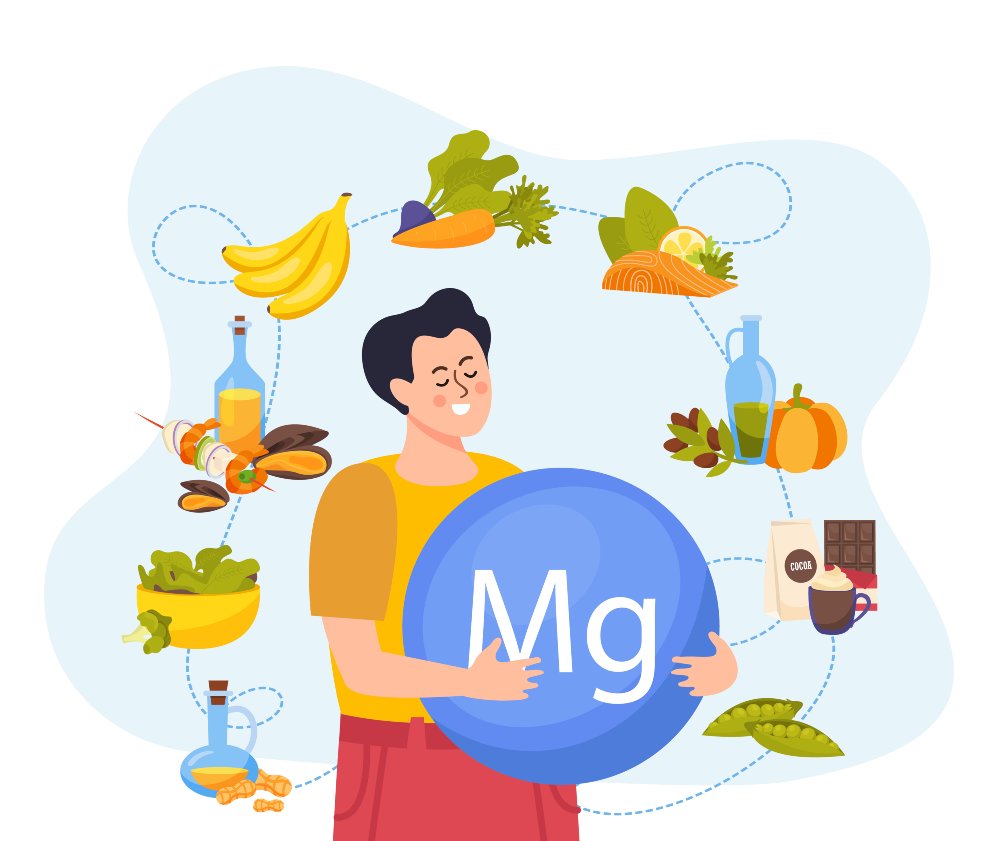
What food is the best source of magnesium?
In addition to supplements, it is important to consume magnesium through a proper diet. The best sources of magnesium are bananas, eggs, walnuts, spinach, salmon, chicken, and tofu. Here is how much magnesium they contain in 100 grams:
| Food | Magnesium (mg / 100 g) |
| Sesame seeds | ~351 mg |
| Pumpkin seeds | ~262 mg |
| Walnuts | ~158 mg |
| Spinach (raw) | ~79 mg |
| Tofu | ~53 mg |
| Chicken breast | ~29 mg |
| Banana | ~27 mg |
| Salmon | ~27 mg |
| Eggs | ~12 mg |
Continue following Realfit for more useful fitness and nutrition advice.