If you train regularly or periodically in the gym, you have probably already heard trainers talking about the benefits of the PPL workout split. Do you know what it means and why it is good for you?
Many gym-goers struggle with plateaus, poor recovery, or lack of structure in their training. The Push Pull Legs program solves this problem by organizing workouts in a way that maximizes muscle engagement while allowing proper recovery between sessions.
Read our blog to find out more about it and see recommendations for your Push Pull Legs workout split.
What is a Push Pull Legs (PPL) Workout Split and How It Works
The Push Pull Legs (PPL) split is one of the most popular and effective workout splits, especially for building muscle mass and strength. Training is divided based on movement patterns, not just muscle groups, which makes it logical, well-structured, and easy to follow.
This is just one example of training routine, read more about workout splits in our blog.
How Does the PPL Split Work?
The PPL split consists of, as you can guess, three types of workouts:
- Push
- Pull
- Legs
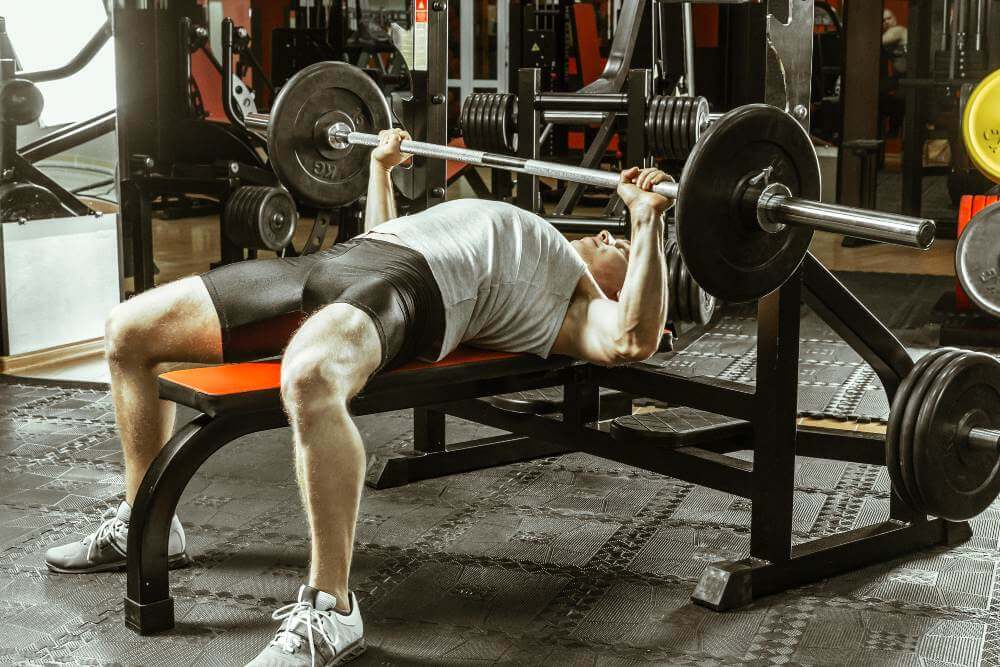
Push workouts focus on upper-body pushing movements such as presses, primarily targeting the chest, shoulders, and triceps. Pull workouts are built around pulling movements that activate the back, rear shoulders, and biceps. Leg workouts target the entire lower body, developing strength and muscle in the legs and glutes. You can choose a number of days per week depending on your free time, experience and expectations.
Most popular ones are the 6, 5, and 3 day push pull legs workout routine.
Example of PPL Schedules
- 3 days: Push / Pull / Legs (each trained once per week)
- 6 days: Push / Pull / Legs / Push / Pull / Legs (each trained twice per week)
A 3-day PPL split is ideal for recreational trainees, while a 6-day version is better suited for advanced athletes who want higher weekly volume.
Push Workout – What Is Trained?
The push day focuses on muscles that work when you push weight away from your body:
- Chest
- Shoulders (front and lateral delts)
- Triceps
Example exercises:
- Bench press or push-ups
- Incline press
- Shoulder press
- Lateral raises
- Triceps pushdowns / dips
Pull Workout – How It Looks Like?
The pull day targets muscles that work when you pull weight toward your body:
- Back (lats, mid and upper back)
- Rear delts
- Biceps
Examples of exercises
- Pull-ups or lat pulldowns
- Rows (barbell, dumbbell, or machine)
- Face pulls
- Biceps curls
Legs Workout – What Is Trained?
The legs day is dedicated to the entire lower body:
- Quadriceps
- Hamstrings
- Glutes
- Calves
- Core (optional)
Examples of exercises
- Squats
- Leg press
- Romanian deadlift
- Lunges
- Calf raises
What Are the Benefits of the Push Pull Legs Split?
Our professional personal trainers often choose PPL because of these characteristics and effects:
1. Logical Training Structure
Muscles that work together are trained on the same day, so the growth will be parallel and you can recover them if you have muscle soreness without additionally and unintentionally hurting them while doing some other exercise.
2. High Training Volume
Push Pull Legs split is ideal for hypertrophy, as it brings fast results and allows a high number of sets per muscle group without .
3. Flexibility
PPL can be adapted to less or more weekly training sessions and it’s flexible for modern working people with less free time for training. For example, divide your exercises into 3 workouts per week if you’re a recreational trainee, or 5–6 workouts per week if you’re advanced and have time specific goals.
4. Easy Tracking of Progress
Progress is easy to monitor because the same exercises are repeated regularly.
Drawbacks of the PPL Split
- If training only 3 days per week, muscle frequency is lower
- Requires good recovery when training 6 days per week
- Leg day can be very demanding and exhausting
Sample PPL Workout Plan (6 Days)
Here’s an example of a workout plan for 6 days of PPL training, you will repeat every day once more:
| Monday (push day) | Tuesday (pull day) | Wednesday (legs day) | Thursday (push day) | Friday (pull day) | Saturday (legs day) | Sunday (Rest) |
| Bench press | Pull-ups / lat pulldown | Squats | Bench press | Pull-ups / lat pulldown | Squats | |
| Incline dumbbell press | Barbell rows | Leg press | Incline dumbbell press | Barbell rows | Leg press | |
| Shoulder press | Face pulls | Romanian deadlift | Shoulder press | Face pulls | Romanian deadlift | |
| Lateral raises | Biceps curls | Lunges | Lateral raises | Biceps curls | Lunges | |
| Triceps pushdown | Calves | Triceps pushdown | Calves |
Who Is the PPL Split Best For?
The PPL split is ideal if you:
- Train 4–6 times per week
- Want maximum muscle growth
- Prefer structured and intense workouts
- Have good nutrition and recovery
The Push Pull Legs split is today considered to be a gold standard by many lifters. If you have the time and commitment for multiple weekly workouts, PPL is one of the best training splits you can choose.