If you are a person who doesn’t care much about side dishes and salad as long as there is a good piece of meat on the plate, you will probably like the carnivore diet.
It is a way of eating that involves the intake of a large amount of protein and no carbs at all. That is why it is often called the zero-carb diet, but also the all-meat diet, although this is not entirely true. The carnivore diet does allow the intake of other types of foods with animal proteins, such as fish, eggs, and measured amounts of dairy products. Fruits and vegetables are though strictly prohibited.
This diet is quite restrictive and therefore controversial, but let’s check if there are any benefits to it. We answer the questions: is the carnivore diet good, how long can a carnivore diet be followed, and to whom is it not recommended?
What is the carnivore diet?
The carnivore diet is similar to the Keto diet , but more restrictive because Keto allows smaller amounts of carbs, and the carnivore none.
This diet is based on the intake of foods of animal origin only and is believed to have a positive effect on patients suffering from diabetes, as well as on individuals who are trying to lose weight and want to have more energy.
Similar diets have been known for a long time. Some doctors even recommended it to patients suffering from diabetes in the late 1700s. In recent years, popular American podcaster Joe Rogan claimed that he lost weight and got much more energy while he was on it. It can definitely be useful if your goal is weight loss, however, the question remains whether it is too aggressive and what consequences long-term diets like this have.
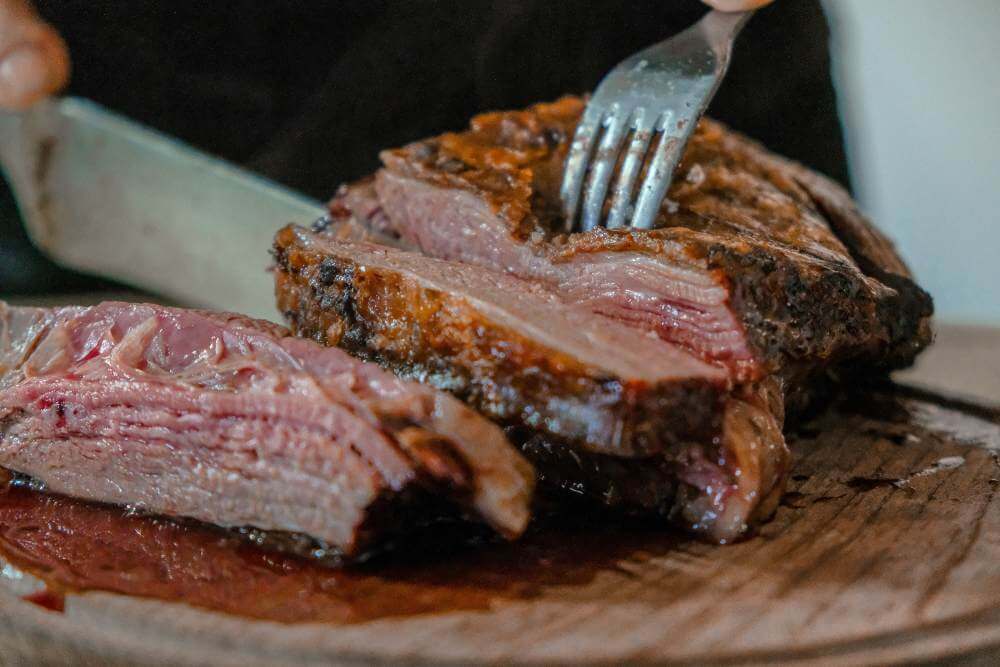
How does a carnivore diet work?
As you probably already know, carbohydrates (carbs) are the main source of energy in the human body. When we eat carbs (bread, sweets, pasta, fruit, etc), our body turns them into glucose (sugar) and uses it as an energy source. This is a normal process, but when eating too much unhealthy carb food and you don’t exercise enough, you often feel lethargic and have no energy, sugar spikes in the body are sudden, and drowsiness and brain fog are present after meals.
Then cutting out carbs appears as a natural solution. When you do that, blood glucose and insulin levels decrease significantly. As glycogen stores in the liver and muscles are depleted, the body shifts toward fat oxidation as a primary energy source.
The liver increases production of ketone bodies (beta-hydroxybutyrate, acetoacetate), which become an alternative fuel for the brain and other tissues. This state resembles nutritional ketosis, but protein intake may partially limit ketone levels compared to a classic ketogenic diet.
Carnivore diet benefits
Here are the main benefits of the carnivore diet:
Stable energy levels
Without carbohydrates, blood sugar stays steady throughout the day. This prevents those energy crashes and keeps your energy consistent between meals.
Appetite control
High protein and fat intake increases satiety and reduces frequent hunger. Many people naturally eat fewer meals without consciously restricting calories.
Improved mental focus
The brain relies on a stable fuel supply from fats and ketones. This often results in better concentration and clearer thinking.
Better blood sugar control
Eliminating carbohydrates lowers insulin demand and prevents sharp glucose spikes. This creates a more predictable metabolic state.
Reduced digestive load
Removing plant foods simplifies digestion and reduces bloating for many people. Meals become easier to process with fewer ingredients involved.
Is the carnivore diet healthy long-term?
What is problematic about this diet is the fact that the WHO recommends 45% to 65% of daily calories come from carbohydrates. So how can the carnivore diet then exclude them entirely, and is it legit if doctors agree that, for optimal long-term health, we should be eating grains, fruits, and veggies?
A carnivore diet can be healthy, but not as a main way of eating and not for a long time.
How long should you follow a carnivore diet?
Ideally, you should follow this diet for 30 days to 6 months. Longer than that can cause some serious nutrient deficiencies.
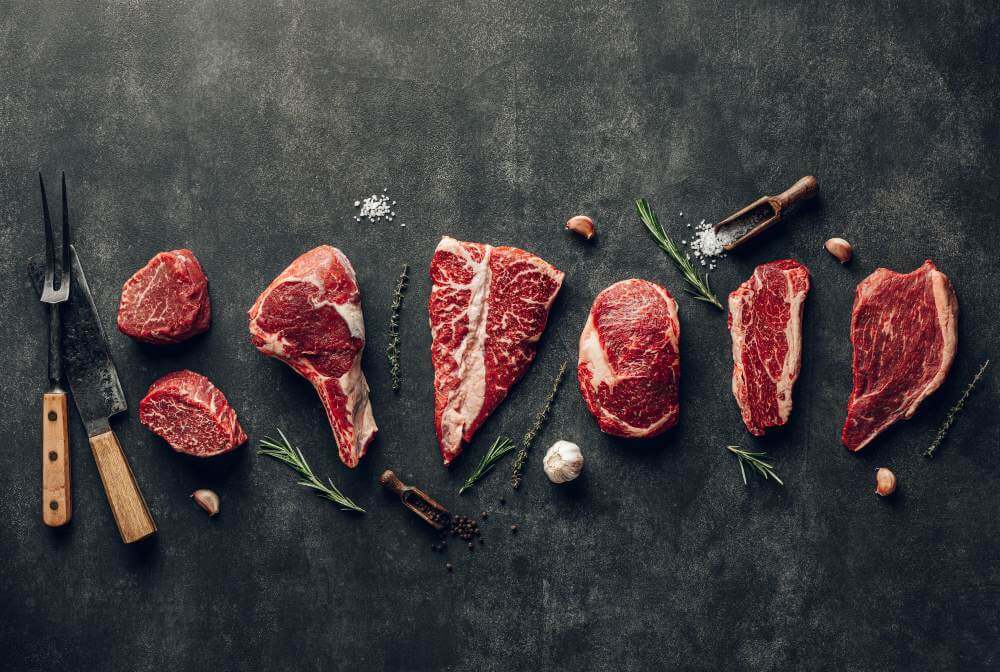
Carnivore diet cons
This is definitely not a diet for everyone. Not just if you don’t like meat, but because it sometimes can be even dangerous:
Increased risk of heart disease
A diet high in saturated fat and cholesterol can raise LDL cholesterol levels, and high cholesterol increases strain on the cardiovascular system. Over time, this may contribute to plaque buildup in the arteries.
Endangered gut health
The absence of dietary fiber reduces gut microbiome diversity and alters digestion. This can negatively affect bowel function and long-term intestinal health.
Increased risk of colon cancer
Many studies have had this topic as a research theme, and the results are very clear. Consumption of high red and processed meat, along with a very low fiber diet, increases the chances of colon and colorectal cancer.
Carnivore diet food list
Here’s a (really limited) list of foods you’re able to consume while on a carnivore diet:
| Meats | Poultry | Organ meats | Fish/seafood | Eggs | Fats | Dairy | Drinks | Seasonings |
| Beef (roast, steak, ground beef, boiled beef) | Chicken | Liver | Salmon | Whole eggs are allowed | Butter | Hard cheese | Water | Salt |
| Lamb | Turkey | Kidneys | Tuna | Lard | Heavy cream | Bone broth | Pepper | |
| Pork | Duck | Heart | Mackarel | Ghee | Low lactose yogurt | Cumin | ||
| Bacon (not overprocessed) | Tripe | Sardines | Bone marrow | Paprika | ||||
| Venison | Trout | Tallow | Garlic | |||||
| Camel | Cod | |||||||
| Mutton | Shrimp | |||||||
| Goat meat | Oysters | |||||||
| Crab | ||||||||
| Sea bass | ||||||||
| Lobster | ||||||||
| And other kinds of fish |

How to follow the carnivore diet – plan
This diet does not have a very specific and strict plan, and it’s relatively easy to prepare ingredients because your grocery shopping list will be pretty much limited. It’s all just proteins of animal origin, right? But how to plan my carnivore diet meals? How many protein and calories per day is recommended if I want to lose weight?
Here is our example of a carnivore diet meal plan for one day:
Breakfast: Two eggs and bacon
Lunch: Burger patties
Dinner: Salmon
Meat generally has fewer calories, but if you’re planning to lose weight, it’s still recommended to limit your daily intake: 1500 to 2000 should be optimal.
Before starting a carnivore diet, please consult with your doctor or nutritionist and be sure that you are completely healthy and without any existing nutritional deficits or health conditions that could get worse after switching to a rigorous diet with limited amounts of vitamins and mineral sources.