You probably heard already that the only right way to lose weight and be healthy and energized is by cutting carbs. A low-carb diet is not that hard and offers an opportunity to eat healthy and with fewer restrictions than, for example, when on a Keto or Carnivore diet .
How many carbs do you need per day?
For most healthy adults, carbohydrates should make up 45–65% of total daily calorie intake, which equals roughly 225–325 grams of carbs per day on a 2,000-calorie diet. This range supports normal brain function, energy levels, and overall metabolic health.
The minimum recommended intake is around 130 grams of carbohydrates per day, which is considered necessary for proper brain and nervous system function. When the goal is weight loss, many people reduce carb intake to 100–150 grams per day, but it is important to focus on consuming complex carbohydrates such as whole grains, vegetables, fruits, and legumes.
What’s the difference between a low-carb diet and a keto diet?
The keto diet usually restricts carb intake to under 50 grams per day, and a low-carb diet is slightly less restrictive. If your goal is to lose weight while on it, you’re gonna eat 50 to 150 grams of carbs daily.
The minimum recommended intake is around 130 grams of carbohydrates per day, which is considered necessary for proper brain and nervous system function. When the goal is weight loss, many people reduce carb intake to 100–150 grams per day. It is important to still focus on eating complex carbohydrates such as whole grains, vegetables, fruits, and legumes. This approach helps create a calorie deficit while still having enough energy for daily activities and training.
What’s the worst type of carbohydrate for belly fat?
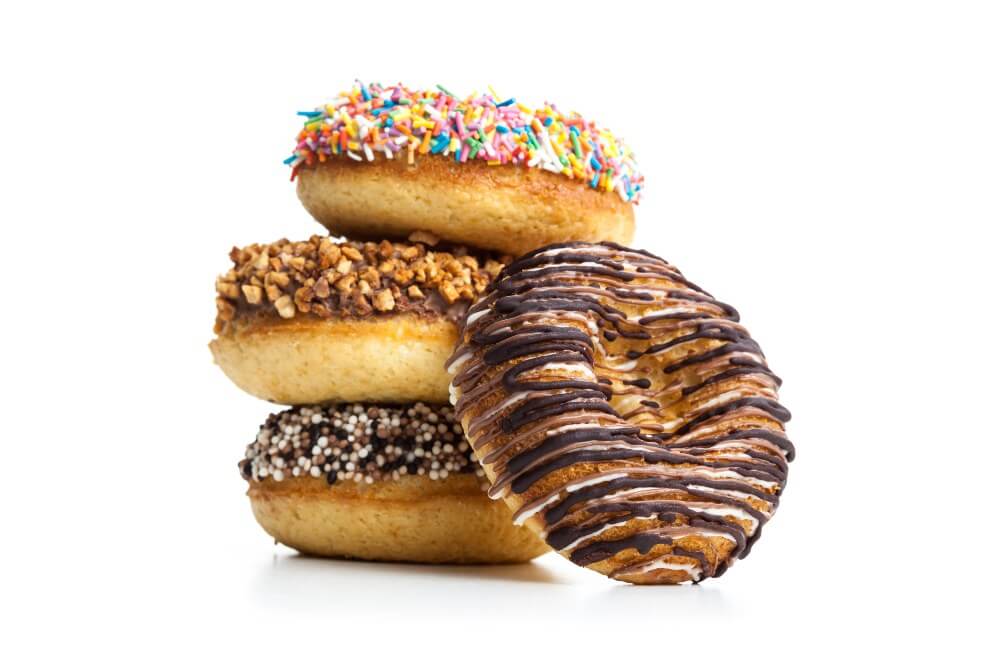
If you’re struggling with belly fat, the first thing you should get rid of in your diet is refined, highly processed carbs, and those snacks and drinks with high amounts of added sugars.
Forget about white bread, pastries, sugary cereals, sweets, soft drinks, and sweetened coffee beverages. These carbs digest very quickly, cause sharp spikes in blood sugar and insulin, and make it easier for excess energy to be stored as fat around the abdominal area. They also provide little fiber or nutritional value, which leads to poor satiety and increased hunger shortly after eating.
While on a low-carb diet, also reduce intake of sugary fruits such as bananas and mangoes to a minimum.
A low-carb diet is an excellent way to wean yourself off them.
Is there such a thing as low-carb bread and pasta?
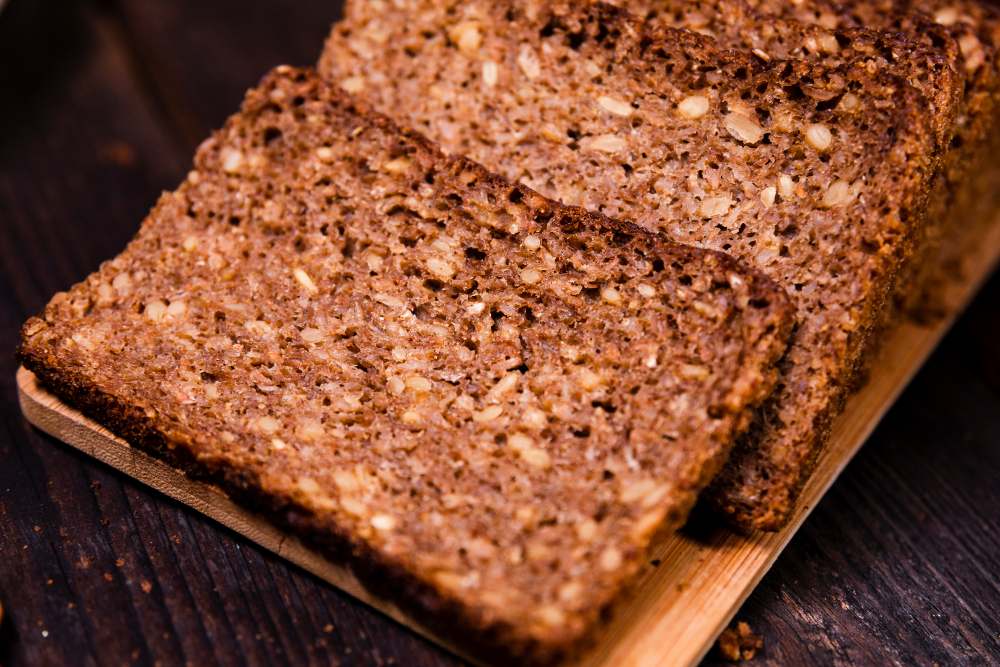
There are some alternatives to bread with fewer carbs. For example, while on a low-carb diet, you could try nut-based bread made of almond or coconut. They are low in carbs and gluten-free.
Another option is seed-based bread, such as flaxseed or chia bread. They provide fibers but are low in carbs and have a low glycemic impact too.
There is also an option of sprouted grains, such as Ezekiel bread made of sprouted wheat, barley, and lentils, and usually sold frozen. One less known alternative is cauliflower bread. Flavor is interesting and possibly strange in the beginning, but after you get used to it, you’re going to love it.
When it comes to pasta, there aren’t many traditionally known low-carb pastas, but you can try a recently really popular alternative: zucchini noodles. Also, there are some products such as soybean pasta, chickpea pasta, and Shirataki noodles (made from konjac yam and originating from Japan).
Examples of healthy low-carb foods
A low-carb diet really provides many options for healthy and varied meals, and as we said before, it is one of the least restrictive. We would compare it to the Mediterranean diet, with the main difference being that, as expected, fewer carbs are eaten, but there is an equally colorful selection of foods.
It’s based on simple, whole foods that keep you full and energized. It mainly includes proteins from sources like chicken, beef, fish, and eggs, along with plenty of non-starchy vegetables such as leafy greens, broccoli, and cauliflower. Healthy fats from foods like avocados, nuts, seeds, and a small amount of low-sugar berries.
Here’s a detailed list of the healthiest foods you can eat while on a low-carb diet:
| Meat and healthy fats | Vegetables that are not starchy | Fruits low in sugar | Dairy (moderate amount) |
| Chicken | Lettuce | Berries | Greek yogurt |
| Turkey | Kale | Avocado (yes, it’s a fruit) | Cottage cheese |
| Beef | Spinach | Heavy cream | |
| Lamb | |||
| Fish | Arugula | ||
| Eggs | Iceberg salad | ||
| Olive oil | Asparagus | ||
| Nuts | Bell pepper | ||
| Seeds such as chia | Tomato | ||
| Cucumber | |||
| Zuchini | |||
| Broccoli | |||
| Cauliflower | |||
| Brussel sprout | |||
| Cabbage | |||
| Green beans | |||
| Mushrooms | |||
| Eggplant |
Ideas for tasty low-carb diet meals
Here’s an example of a three day meal plan while on a low-carb diet:
Day 1
Breakfast: Eggs (2-3) fried in butter or olive oil, with half an avocado and a handful of fresh spinach.
Lunch: Grilled chicken (white meat or drumstick) with a large portion of steamed broccoli topped with olive oil and lemon.
Dinner: Salmon (or trout) fillet baked in the oven with asparagus or zucchini.
Optional snack: Handful of raw almonds.
Day 2
Breakfast: Full-fat Greek yogurt with a couple of blueberries and a spoonful of ground flax or chia seeds.
Lunch: Salad in a bowl – ground beef stewed with onions and spices, served over green salad with cherry tomatoes and a small portion of grated cheese.
Dinner: Omelet with mushrooms, peppers, and feta, with a cucumber salad.
Optional snack: Celery sticks with some cream cheese.
Day 3
Breakfast: “Keto sandwich” – ham and cheese leaves rolled around strips of pepper or cucumber, with one boiled egg.
Lunch: White fish prepared in olive oil with rosemary and garlic.
Dinner: Burger (without a bun) with a side dish of roasted cauliflower (cauliflower cut into florets and baked in the oven until golden brown).
Optional snack: A cube of dark chocolate (min. 85% cocoa) and herbal tea.
While on a carb-free diet, remember to drink plenty of water, unsweetened lemonades, black coffee, or tea without sugar.
When feeling like snacking on something unhealthy, take green leafy vegetables instead and feel free to eat them without guilt. They’re low in carbs and calories.
A little tip: If you feel a drop in energy on the first day, add a little more salt to your meals or drink a cup of homemade soup (bouillon). This will help the body to adapt to a lower intake of carbohydrates.

For how long can I follow a low-carb diet?
If you’re completely healthy and feel like leaving carbs behind was a good decision, doctors say that 1 to 2 years of a low-carb, not too drastic, diet cannot do harm. However, for a longer period, it is suggested that you should include some carbs, especially those from fruits and vegetables. That way, you’ll reduce the risk of getting a vitamin deficiency or some more serious hormonal and heart diseases in older age.