You probably heard about the Keto diet but maybe you’re not sure how it works and what exactly are the benefits of it. Some say it’s the best thing that ever happened to them, and others claim that this nutrition change was not really that beneficial.
The basic concept of Keto diet is pretty simple: reduce carbs and eat healthy fats and normal amounts of proteins regularly. Aren’t fat exactly what I should avoid in order to be healthy and fit, now you wonder. Not exactly, the keto diet involves the intake of healthy fats only. With the addition of proteins and smaller portions of veggies and the avoidance of trans fats and unhealthy processed foods. Let’s find out more about it!
What is Keto Diet?
The ketogenic diet, often shortened to “keto,” is a way of eating that is very low in carbohydrates, high in fats, and moderate in protein.
It’s much different than Mediterranean diets, where carbohydrates are a regular part of daily meals. Keto diet drastically reduces carb intake (even the ones known as healthy) in order to change the way the body produces energy.
Under normal conditions, your body relies on glucose from carbohydrates as its main fuel source. When carbs are heavily restricted, glucose becomes scarce, and the body is forced to adapt. Instead of using sugar for energy, it begins to burn fat and produce molecules called ketones, which then become the primary source of fuel. This metabolic state is known as ketosis.
A typical ketogenic diet focuses on foods such as meat, fish, eggs, full-fat dairy, oils, nuts, seeds, and low-carb vegetables, while foods like bread, pasta, rice, fruit, legumes, and sugar are largely avoided. Protein intake is kept moderate, as excessive protein can interfere with ketosis by being converted into glucose. If you feel that your organism needs more proteins, consult with your doctor or nutritionist about trying a high protein diet instead of keto.
Besides, it’s important to note that the ketogenic diet is not a modern invention. It was originally developed for medical purposes, as a diet for epilepsy patients.
What is Ketosis and How Does It Work?
Normally, your body runs on glucose, a type of sugar that comes from the carbohydrates you eat. Glucose is easy for your cells to use for energy, especially for your muscles and brain. Because it’s so quick and accessible, the body treats glucose as its main fuel source whenever it’s available.
When you drastically reduce carbohydrates, like in a ketogenic diet, your glucose stores drop. After a couple of days with very little carbohydrate intake, your body starts looking for another way to fuel itself because tissues still need constant energy.
In response, the liver begins breaking down stored fat into molecules called ketone bodies (main types are beta-hydroxybutyrate, acetoacetate, and acetone). These ketones are released into the bloodstream and used by the body as an alternative fuel.
This shift from glucose to ketones and fat is what’s called ketosis. In nutritional ketosis, blood ketone levels usually stay in a moderate range and the body remains in a relatively normal pH balance. It’s a physiological (safe) response to low carb availability, like fasting or a ketogenic diet.
It’s important not to confuse ketosis with ketoacidosis. Ketoacidosis is a dangerous medical condition, most often seen in people with type 1 diabetes, where ketone levels become extremely high and the blood becomes acidic. This can even be life-threatening. In nutritional ketosis from a keto diet, ketone levels are far lower and do not cause blood acidity issues in healthy people.
Most people enter ketosis after about 2-4 days of eating very few carbohydrates (less than ~20-50 g/day), though it can vary by person, activity, and metabolic health. Early signs that your body is switching into ketosis can include dry mouth, changes in thirst, and lower hunger as your metabolism adapts to burning fat for fuel.
Is Keto Diet Effective For Weight Loss?
Yes, the keto diet can be very effective if you’re trying to lose weight, mainly because it changes what your body burns for fuel.
When carbs are very low, the body no longer relies on glucose as its main energy source, and instead shifts toward burning stored fat.
Another reason keto diet works for some people is that stable blood sugar and higher fat intake often mean less hunger. If you had cravings while you were eating carbs, you’ll be glad to see they usually stop real fast after you switch to Keto.
What are the Benefits of a Keto Diet?
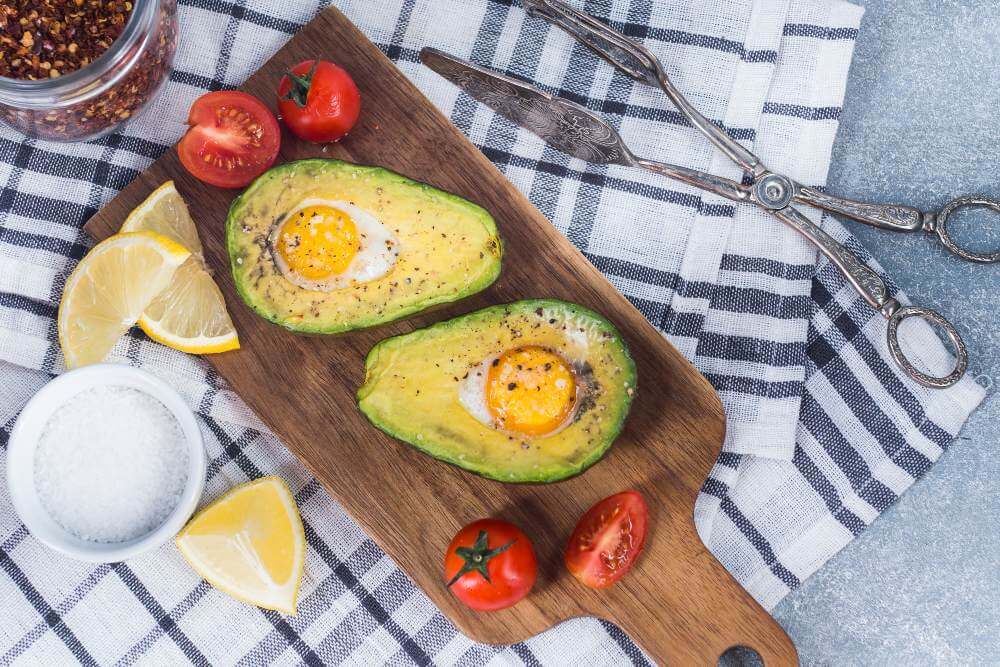
Weight loss is often the main reason people try keto, but it’s not the only one. When the bodyadapts to this new way of eating a lot of other changes happen.
Another benefit many people notice on keto is a bigger amount of energy. When you remove sugar from meals and stop constantly switching between sugar highs and crashes, you will finally feel less sleepy and tired.
Keto diet can stop blood sugar swings and reducing carbs usually brings glucose levels under control. That is why keto is sometimes used under medical supervision for insulin resistance or prediabetes.
Another plus is that while on the Keto diet people need to eat simpler and less processed meals. They usually start preparing their own meals and stop ordering food and grabbing snacks every time they visit the store. you will eventually end up cooking more and relying on whole foods: eggs, fish, vegetables, olive oil, nuts…
Some people who tried the Keto diet mentioned that they feel more focused, present, and that they have mental clarity they haven’t had in a long time.
This doesn’t happen to everyone, but once the body gets used to ketones as an additional fuel source and you remove sugar from nutrition, the brain really may feel less “foggy”.
Keto is, logically, also a good reset for people who had sugar addictions. It helps with breaking the constant craving cycle.
Can Keto Diet be Harmful?
Keto diet is not harmful for overall healthy people, but if you have a specific medical condition it’s highly important to consult your doctor first.
The keto diet is not recommended for people with:
- Type 1 diabetes (due to the risk of ketoacidosis)
- Advanced kidney disease
- Liver disease
- Gallbladder problems
- A history of eating disorders
- Certain metabolic or genetic conditions affecting fat metabolism
Pregnant and breastfeeding women should also avoid keto unless explicitly advised and monitored by a healthcare professional, as carbohydrate restriction may interfere with increased nutritional needs.
Even for healthy individuals, keto can feel too restrictive long term. Side effects such as fatigue, electrolyte imbalance, constipation, or poor workout performance may appear, especially during the adaptation phase. That’s why keto works best when it’s done in an agreement with a nutritionist.
How Long Keto Diet Can Be Followed?
Many health and nutrition experts recommend breaks or cycling to avoid potential nutrient deficiencies. It’s best not to stay on a Keto diet for longer than 3-6 months continuously.
What Is a Keto Flu?
When you suddenly cut carbs, your body goes from running on glucose to learning how to burn fat and ketones for fuel. During that transition, water and electrolytes are flushed out more quickly, and your body needs time to adapt. That temporary imbalance has the name “keto flu”, even though it’s not an actual illness.
Common symptoms of it are low energy, headaches, brain fog, dizziness, muscle cramps, irritability, and sometimes nausea. It typically shows up within the first few days of starting keto and lasts anywhere from a few days to about a week.
Ketogenic Diet Food List
1. Healthy fats (the foundation of keto)
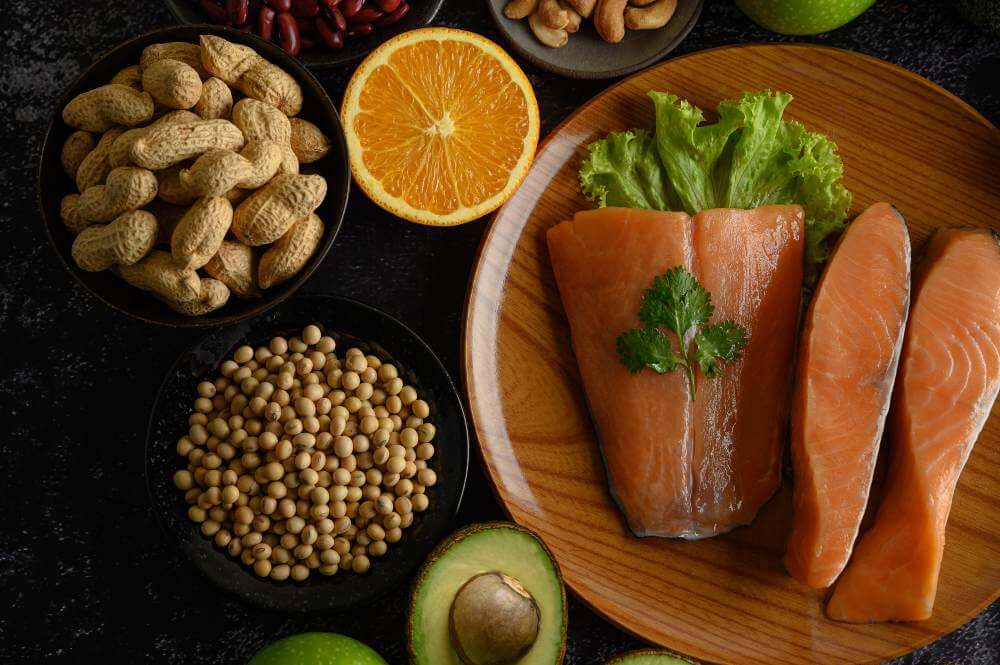
Extra-virgin olive oil, avocado oil, coconut oil, butter, ghee, olives, and avocados. These provide steady energy and help keep you full without spiking blood sugar.
2. Protein sources (moderate amounts)
Eggs, beef, lamb, chicken, turkey, pork, salmon, tuna, sardines, mackerel, shrimp, and other seafood. Full-fat cuts are preferred, but portions should stay reasonable to avoid excess protein turning into glucose.
3. Full-fat dairy (if tolerated)
Cheese, Greek yogurt (full-fat, unsweetened), heavy cream, sour cream, and cream cheese. Dairy adds fats and flavor but should be eaten mindfully, especially if weight loss is the goal.
4. Low-carb vegetables
Leafy greens (spinach, arugula, kale), zucchini, broccoli, cauliflower, cabbage, cucumber, asparagus, bell peppers, mushrooms, and eggplant. These provide fiber, vitamins, and minerals without kicking you out of ketosis.
5. Nuts and seeds (small portions)
Almonds, walnuts, macadamia nuts, pecans, chia seeds, flaxseeds, and pumpkin seeds. They’re nutrient-dense but calorie-heavy, so portion control matters.
6. Herbs, spices, and seasonings
Salt, pepper, garlic, turmeric, ginger, paprika, oregano, basil, rosemary, and thyme. These will improve flavor and get you used faster on a diet change.
7. Beverages
Water, mineral water, herbal teas, black coffee (without sugar), and bone broth. Electrolytes are especially important during the first weeks of keto.
Example Of a Keto Diet Meal Plan – 7 days
Day 1
Breakfast
Scrambled eggs with olive oil, avocado slices and a handful of spinach.
Lunch
Grilled chicken salad with mixed greens, cucumber, olives, feta cheese, and olive oil–lemon dressing.
Dinner
Salmon fillet baked with herbs, served with roasted broccoli and butter.
Optional snack
A handful of almonds or a boiled egg.
Day 2
Breakfast
Omelet with mushrooms, zucchini, and cheese.
Lunch
Tuna salad with olive oil, celery, red onion, and lettuce leaves instead of bread.
Dinner
Beef stir-fry with bell peppers and cauliflower rice.
Optional snack
Greek yogurt (full-fat, unsweetened) with a few walnuts.
Day 3
Breakfast
Full-fat Greek yogurt with chia seeds and a few raspberries.
Lunch
Egg salad (eggs, mayo, mustard) served in lettuce wraps.
Dinner
Roasted chicken thighs with asparagus and olive oil.
Optional snack
Cheese cubes or olives.
Day 4
Breakfast
Fried eggs with avocado and sautéed kale.
Lunch
Zucchini noodles with pesto and grilled shrimp.
Dinner
Pork chops with creamy mushroom sauce and green beans.
Optional snack
Pumpkin seeds or a small portion of cottage cheese.
Day 5
Breakfast
Cheese and spinach omelet cooked in butter.
Lunch
Leftover pork or chicken with a simple cucumber and olive oil salad.
Dinner
Baked fish (for example cod) with lemon, served with cauliflower mash.
Optional snack
Nuts.
Day 6
Breakfast
Black coffee with cream and eggs.
Lunch
Greek-style salad with grilled feta, olives, tomatoes (small portion), and olive oil.
Dinner
Beef burger patties (no bun) with sautéed mushrooms and cheese.
Optional snack
One or two squares of dark chocolate (85% cocoa or more)
Day 7
Breakfast
Egg muffins with cheese and vegetables.
Lunch
Avocado stuffed with tuna or chicken salad.
Dinner
Roasted beef or lamb with zucchini and eggplant.
Optional snack
Walnuts or herbal tea with cream.
How Much Water Should I Drink While On a Keto Diet?
Drink at least 2 liters of water and other fluids per day. The Keto diet demands a lot of hydration and regular intake of electrolytes as well. Don’t drink just water, you can also include sparkling water, chicken broth, herbal teas, and electrolyte drinks without added sugar. These are especially good to drink during the training.
We hope that now, when you know more about the Keto diet, you’re able to determine if it’s the right diet for you. It definitely has a bunch of health benefits, but when in doubt, it’s always better to consult with an expert before any sudden change in diet. Our personal trainers and nutritionists from Abu Dhabi and Dubai are here to help you on that path.