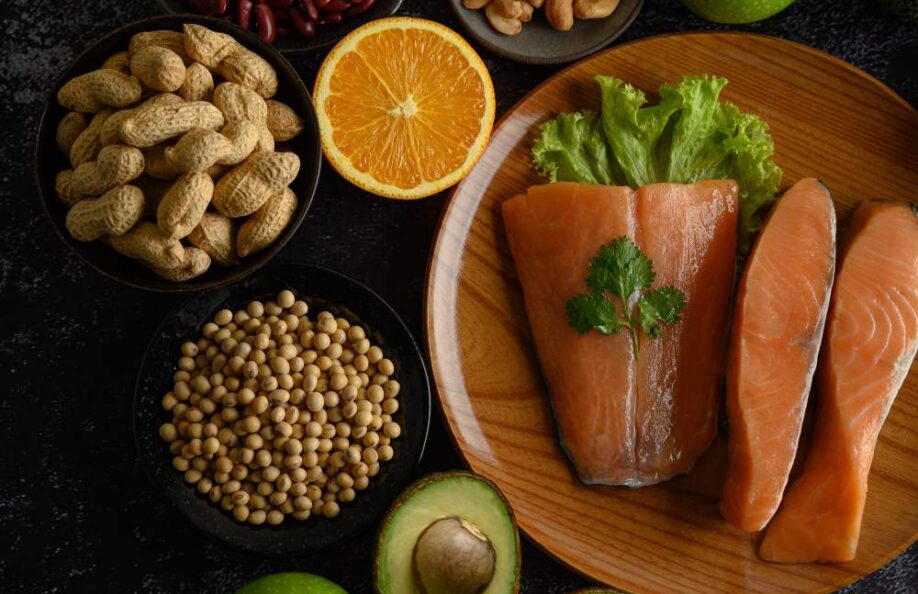
Anti-Inflammatory Diet - What Is It and Why You Should Try It
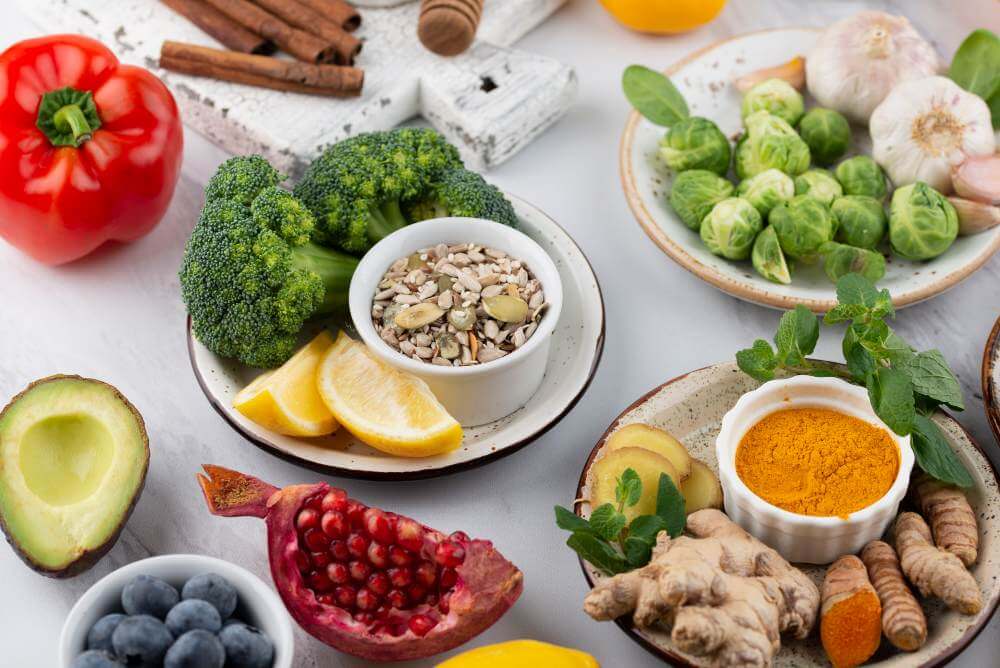
Many of us, when we hear the word inflammation, reach for antibiotics, when what we should really be doing is rethinking our eating habits. In recent decades, researchers have realized the importance of adjusted nutrition for fighting chronic inflammation. That’s why doctors have been recommending that patients switch to a new way of eating – anti-inflammatory diet. What is that, you ask?
An anti-inflammatory diet is a diet that excludes highly processed foods, artificially sweetened drinks, red meat, and trans fats. Read more about inflammatory foods and alternatives in our blog.
Why Does Inflammation Happen in Our Body?
Inflammation happens in everyone's body from time to time. Whether our immunity has declined and we have a throat or sinus infection, or a cut on our hand has become infected, the body will react with inflammation. It’s a natural way of defending itself.
All of the mentioned inflammations usually resolve quickly, sometimes by themselves, and sometimes with the help of antibiotics or applying appropriate topical meds (creams, for example). But what if the inflammation is chronic?
They then begin to affect the overall functioning of the organism and begin to impair our quality of life. As they are often associated with autoimmune diseases, if they are not brought under control, they can worsen the other symptoms of the disease.
The most common chronic diseases in which there is an increased risk of inflammation are:
- Diabetes
- Heart problems
- Lupus
- Rheumatoid arthritis
- Metabolic disorders
- Alzheimer's
- Crohn's disease
Unhealthy lifestyles that lead to chronic inflammation:
- Smoking
- Obesity
What Are the Worst Inflammatory Foods?
These foods are known to be the worst when it comes to inflammation:
Red meat
Steaks and beef hamburgers often sound like a healthy food choice, especially for those who train a lot and appreciate high-protein foods. However, lots of red meat can lead to inflammation, and you should be really careful, especially if you have an autoimmune disease.
Don’t eat more than three portions of red meat per week, and be sure that it is cooked and not processed in unhealthy ways.
Processed meat
Hot dogs, sausages, bacon, deli ham, and similar products are often high in preservatives, salt, and additives that can trigger inflammation when consumed regularly. While convenient and tasty, they offer little nutritional value compared to whole protein sources and may negatively affect gut health and overall recovery.
Deep-fried food
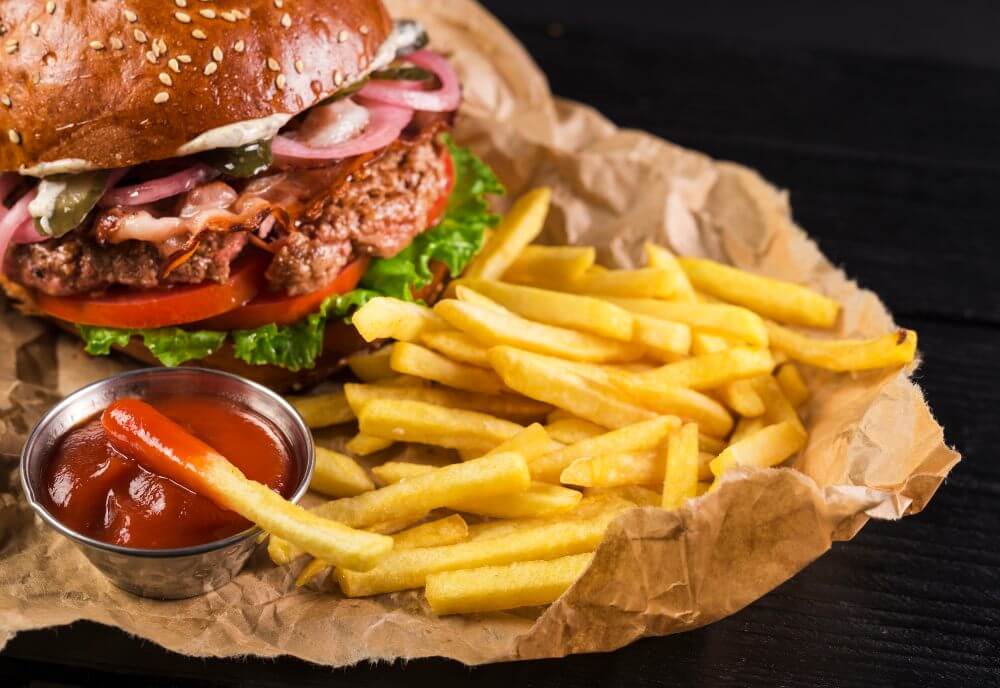
Chicken, donuts, fries… All those dishes are typically cooked in poor-quality oils at very high temperatures. This process creates inflammatory compounds and adds a heavy calorie load. That can slow digestion, increase fatigue, and also make recovery from training and muscle soreness harder. All that leads us to the next category of inflammatory foods:
Trans fat
These are some of the worst fats you can consume, and yet millions of people consume them daily through margarine, packaged snacks, chips, popcorn, pastries, and fast food. Trans fats can bring inflammation and have an overall negative impact on heart health. If you train hard, your body won’t be able to recover properly after training as long as you consume these products regularly.
Added sugar
It’s not just candies! Even food like ketchup, BBQ sauce, bread, canned beans, plant-based milk, and cereals contains hidden sugar. Regularly consuming these products can lead to blood sugar spikes and increased inflammation. Please always check the label before buying a product. Believe it or not, there are more than 50 different added sugar names.
White flour foods
White bread, pastries, pasta, and baked goods made from refined flour are quickly digested and spike blood sugar levels. Over time, frequent consumption can contribute to inflammation, energy crashes, and poor appetite control, especially when they replace whole, fiber-rich foods.
Try These Anti-Inflammatory Foods Instead
Their benefits are scientifically proven, and if they’re not, they should become part of your anti-inflammatory diet:
Fresh vegetables
Fresh vegetables are rich in antioxidants, vitamins, fibers, and phytonutrients that help the body fight inflammation at its source. They are good for the immune system and protect cells from damage. If vegetables are a part of your everyday anti-inflammatory diet, you can count on healthy guts as well.
Salmon
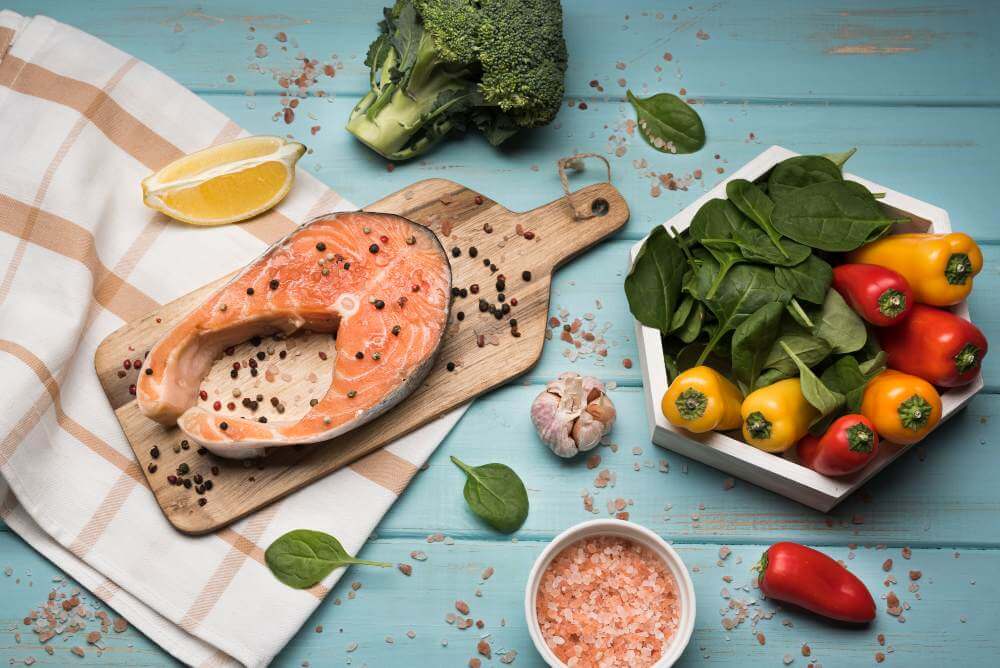
Salmon is rich in omega-3 fatty acids, as well as mackerel, and these fats are known for their strong anti-inflammatory effects. Salmon with veggies or sweet potato is an excellent light protein dinner or post-workout meal idea, which will bring your energy right back.
Food rich in vitamin C
Vitamin C is the most important vitamin for reducing oxidative stress and supporting the immune system through fighting against free radicals. Include foods like citrus fruits, berries, peppers, and broccoli to help your body recover faster after workouts and protect tissues from inflammation caused by stress or illness.
Nuts
Nuts contain healthy fats, magnesium, and antioxidants that help regulate inflammation and support heart health. When you eat them in moderation, they provide steady energy and help keep blood sugar levels stable, which is important for controlling inflammatory responses. Try eatin them before the training and see if your energy level rises.
Whole grains
Whole grains such as oats, brown rice, and quinoa contain fiber and essential nutrients that support gut health. Unlike refined grains, they help maintain stable blood sugar levels and reduce the spikes that can trigger inflammation over time.
Ginger
Ginger is a powerful natural anti-inflammatory root, which is why it has that slightly spicy, warming taste. It’s not random that doctors usually recommend it during the flu season. It helps reduce inflammation and supports digestion, and you can easily add it to tea, smoothies, juices, or oatmeal.
Food rich in fiber
Fiber is essential for healthy digestion and a balanced gut microbiome. When your gut works properly, inflammation throughout the body is lower, which is why fiber-rich foods like vegetables, legumes, fruits, and whole grains are so important.
Natural probiotics
Natural probiotics such as yogurt, kefir, sauerkraut, and other fermented foods support healthy gut bacteria. A balanced gut microbiome helps regulate the immune system, improve digestion, and significantly reduce chronic inflammation.

Healthy lifestyle changes
Stop smoking
If you’re still smoking in 2026, it’s really time to leave this unhealthy habit behind. Smoking directly increases inflammation by exposing the body to toxic chemicals that damage cells, blood vessels, and the immune system. Over time, it can trigger some serious heart diseases and cancer.
Reduce alcohol consumption
Alcohol is widely accepted in social settings, but regular or excessive intake is strongly linked to higher levels of inflammation in the body. It disrupts gut health, interferes with immune function, and increases the production of inflammatory markers, especially when combined with poor sleep or high stress.
Change your sleep pattern
Recent research found that even sleep deprivation often leads to chronic inflammation. When your sleep schedule is inconsistent, your body’s internal clock becomes disrupted, which activates stress responses and inflammatory processes.
Get a social media detox
Yes, you heard us (read) right. One recent study found a connection between excessive use of the internet and higher levels of protein responsible for body inflammation. By endlessly scrolling through your social media, you usually disrupt your sleeping schedule. Also, it leads to a lack of physical activity and a lack of strong and real social connections.
Instead, you’re constantly overwhelmed with information. Our brain or organism is not used to this, and this behavior can lead to stress and depression as well.